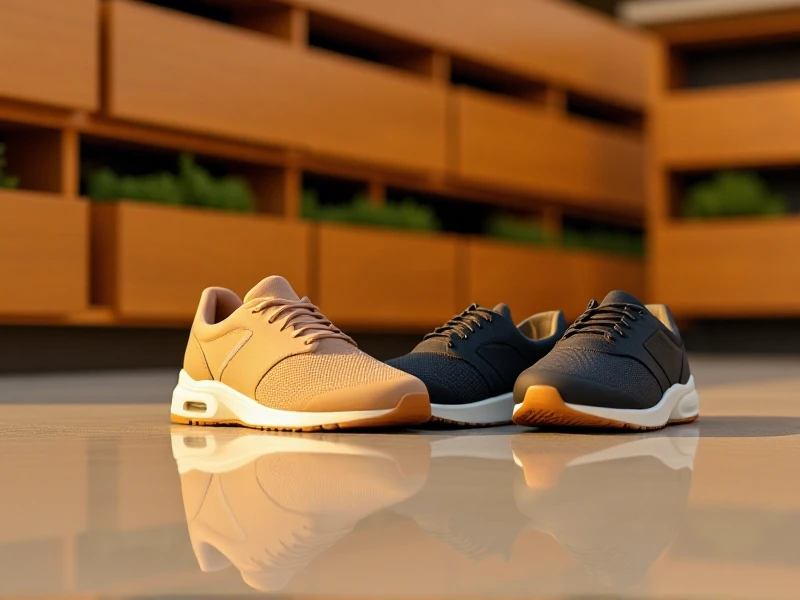
Your Ultimate Guide to Choosing the Perfect Sports Shoes
Here is an SEO article focusing on "Sports Shoes," written in English, under 400 words, with a clear title and designed to appear naturally authored:
Finding the best sports shoes is about more than just style—it's about comfort, performance support, and injury prevention. Whether you're a dedicated runner, a weekend hiker, or a gym enthusiast, the right footwear makes a world of difference. With countless options available, knowing key factors can guide you to your ideal pair.
The most critical factor? Your primary activity. Running sports shoes are engineered differently from basketball, tennis, walking, or cross-training models. Running shoes prioritize forward motion and impact absorption. Basketball shoes emphasize ankle support and lateral stability for quick cuts. Cross-trainers offer versatility for multi-directional movements common in gym workouts. Always prioritize shoes designed specifically for your main sport or exercise routine.
Fit is paramount. Ill-fitting sports shoes are a leading cause of blisters, discomfort, and even longer-term injuries like plantar fasciitis. Go shoe shopping later in the day when your feet are naturally slightly swollen. Ensure about a thumb's width of space between your longest toe and the shoe's end, and ensure a snug (not tight) fit around the heel and midfoot. Don't assume your size is universal—brands differ significantly. Trying them on is essential. Pro tip: Wear the athletic socks you typically exercise in to get the most accurate fit.
Consider terrain if you run or hike. Road running sports shoes provide cushioning for hard surfaces, while trail running shoes offer aggressive tread and stability features for uneven ground. Hiking boots provide crucial ankle support and rugged soles for challenging trails, which standard athletic shoes lack.
Don't overlook support needs. If you have flat feet, you might require sports shoes with significant stability or motion control features. Those with high arches often need neutral, cushioned shoes. Understanding your foot mechanics helps narrow choices immensely. Finally, inspect cushioning levels—maximal cushioning absorbs shock best for long distances, while minimal cushioning offers a more responsive, "ground-feel."
Replace worn sports shoes diligently—experts recommend replacing every 300-500 miles for runners, or sooner if the tread is smooth or the midsole feels compressed and lacks bounce. Investing in the right sports shoes tailored to your feet and activity is investing in a better, more comfortable, and injury-free experience. Step into performance the right way.